Tracing Secure Fund Pathways Through Digital Casino Payment Networks and Verification Timelines
Jordan Vogel · Aug 22, 2026
Tracing Secure Fund Pathways Through Digital Casino Payment Networks and Verification Timelines
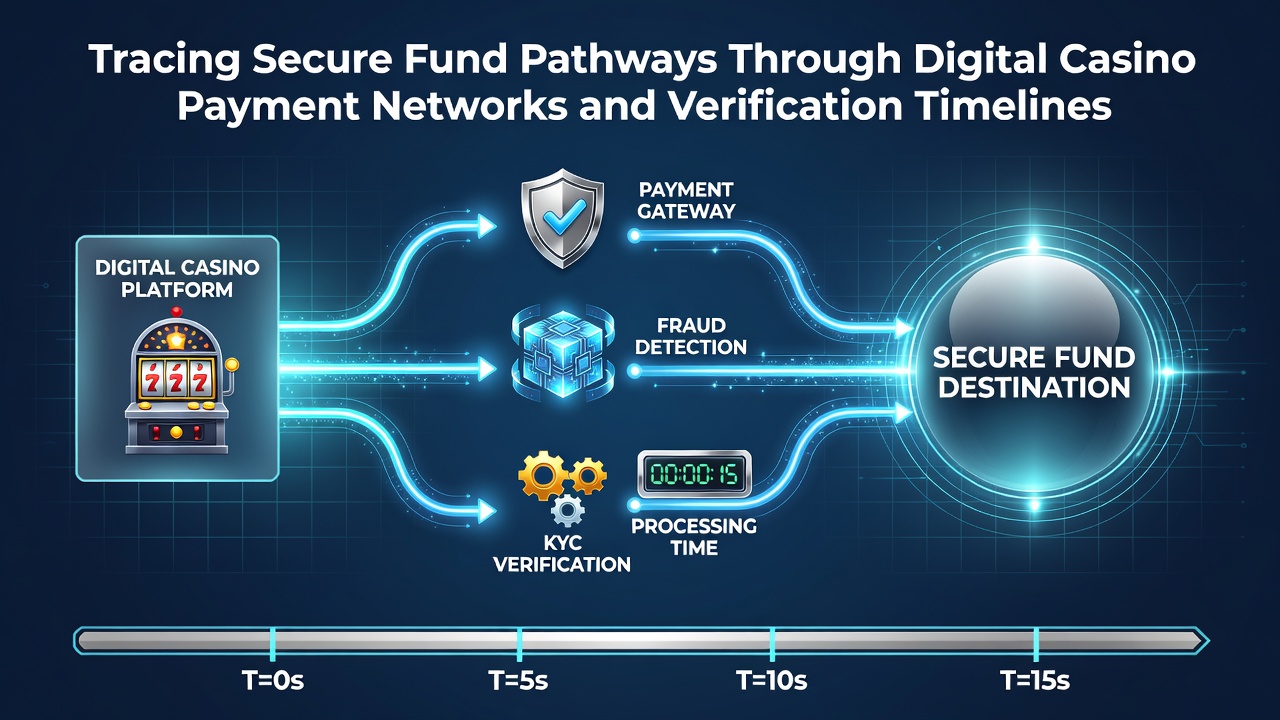
Digital casino payment networks rely on layered transaction routes that move funds from player accounts through processors, banks, and verification nodes before reaching operators, and these routes have grown more intricate as transaction volumes rise. Observers note that each pathway incorporates encryption protocols and audit trails designed to maintain integrity across multiple jurisdictions, while verification timelines vary based on the payment method selected and the regulatory requirements in force.
Core Components of Casino Payment Networks
Payment networks in online gaming environments typically integrate card processors, e-wallets, bank transfers, and emerging digital asset rails, each carrying distinct routing characteristics that determine how funds travel from source to destination. Researchers have documented that card-based transactions often pass through acquirers and issuers before final settlement, whereas e-wallet systems create internal ledger entries that later reconcile with external banking partners. As of August 2026, industry reports indicate that multi-currency support has expanded in many networks, requiring additional conversion and compliance checks at intermediary stages.
Those who monitor these systems describe how data packets containing transaction details are routed through secure gateways that log timestamps, IP origins, and device identifiers, creating a chain of custody that regulators can later review. Evidence from academic studies shows that such logging practices help isolate anomalies without interrupting legitimate flows, though the precise sequence of checks depends on the jurisdiction governing the operator.
Mapping Secure Fund Pathways
Secure pathways begin at the player interface, where initial authorization requests trigger a cascade of confirmations across payment service providers and financial institutions before funds are released to the casino ledger. Observers have observed that real-time monitoring tools scan for patterns such as velocity limits and geographic mismatches, flagging entries that require manual review. One study revealed that operators using automated reconciliation software reduced average processing delays by coordinating directly with issuing banks during peak hours.
Funds traveling through cryptocurrency rails follow a different sequence, with blockchain explorers serving as public verification points that supplement private ledger records maintained by licensed exchanges. Data indicates that hybrid models combining traditional banking rails with digital assets have prompted new compliance frameworks in several regions, requiring operators to maintain parallel audit trails for each segment of the journey.
Verification Timelines Across Methods
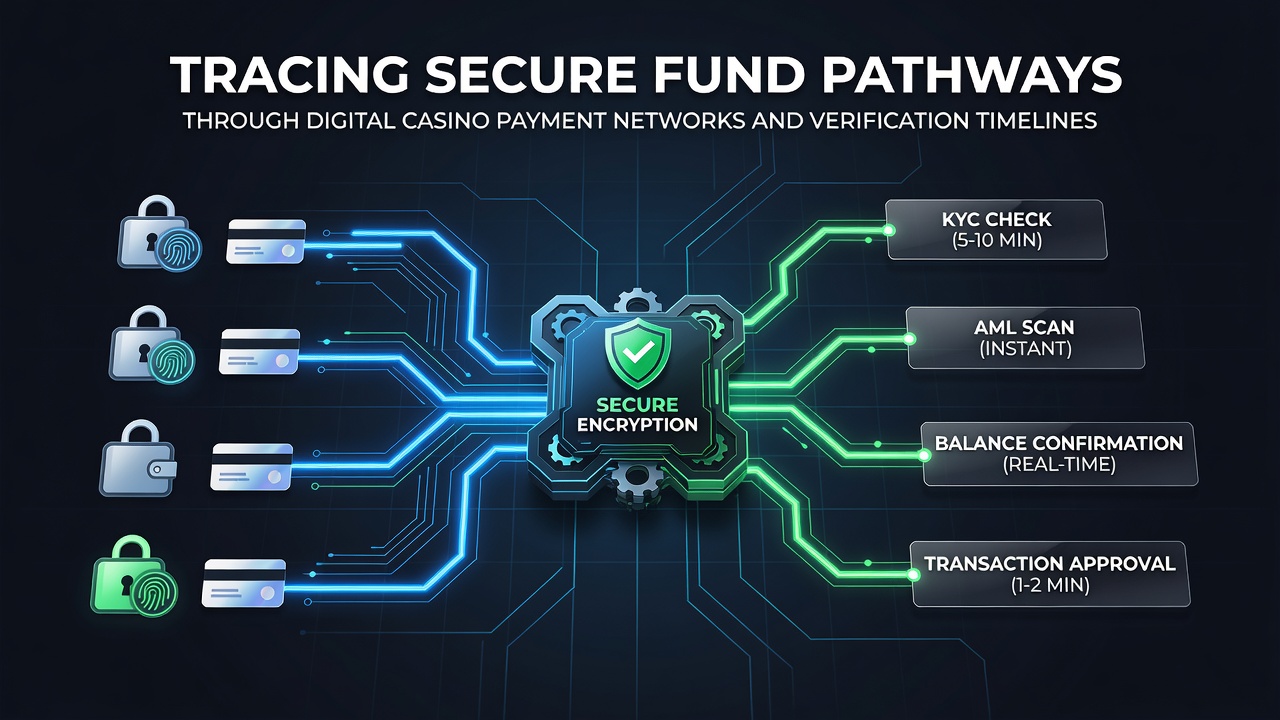
Verification timelines differ markedly by payment type, with card transactions often completing initial authorization in seconds yet requiring up to 72 hours for full settlement and funds availability, while bank transfers can extend from one to five business days depending on the originating institution and cross-border rules. E-wallet providers frequently advertise near-instant deposits paired with withdrawal windows that stretch from 24 hours to several days while compliance teams conduct identity and source-of-funds checks.
Regulatory bodies in multiple jurisdictions have established maximum response windows for verification requests, compelling operators to maintain dedicated compliance teams that review flagged transactions within defined periods. Figures from the Malta Gaming Authority reveal that operators adhering to these windows report fewer player complaints regarding delayed access to winnings, whereas extended reviews occur most often when documentation is incomplete or when transactions cross high-risk corridors.
Regulatory Oversight and Compliance Standards
Compliance standards require operators to integrate anti-money laundering protocols directly into payment routing logic, ensuring that each fund movement generates reports suitable for submission to authorities upon request. According to information published by the U.S. Department of the Treasury, financial intelligence units receive aggregated data on suspicious activity patterns that help refine detection algorithms used across the sector. Canadian regulators similarly publish guidance that operators incorporate into their network configurations, creating consistent verification checkpoints regardless of player location.
Industry associations such as the European Gaming and Betting Association compile comparative data on verification practices, showing how operators in different markets align internal procedures with local statutes while preserving transaction speed. Those who have examined these reports note that the adoption of standardized messaging formats has shortened reconciliation times between payment processors and operators, reducing the incidence of manual interventions.
Conclusion
Tracing secure fund pathways through digital casino payment networks involves understanding the sequence of authorizations, settlements, and compliance reviews that together determine both security and speed. Verification timelines reflect the interplay between technological capabilities, regulatory mandates, and operational practices, with data from multiple sources confirming that streamlined processes benefit both operators and players when documentation requirements are met promptly. Continued evolution in these networks will likely center on further integration of monitoring tools that maintain audit integrity without extending processing windows beyond necessary thresholds.